how it works
The Orvoro smart ring makes use of nanites and quantum dot technology to project a vivid, floating display. The ring deploys nanites with micro-scale projection units that move around the user's hand, emitting light enhanced by quantum dots. These nanites synchronize to create a stable, responsive interface that adapts to hand movements, delivering a vibrant, holographic experience.
Features and benefits
Orvoro’s self-updating, nanotech-based structure minimizes electronic waste by eliminating the need for frequent replacements. The ring can upgrade and repair itself, reducing resource consumption and landfill impact.
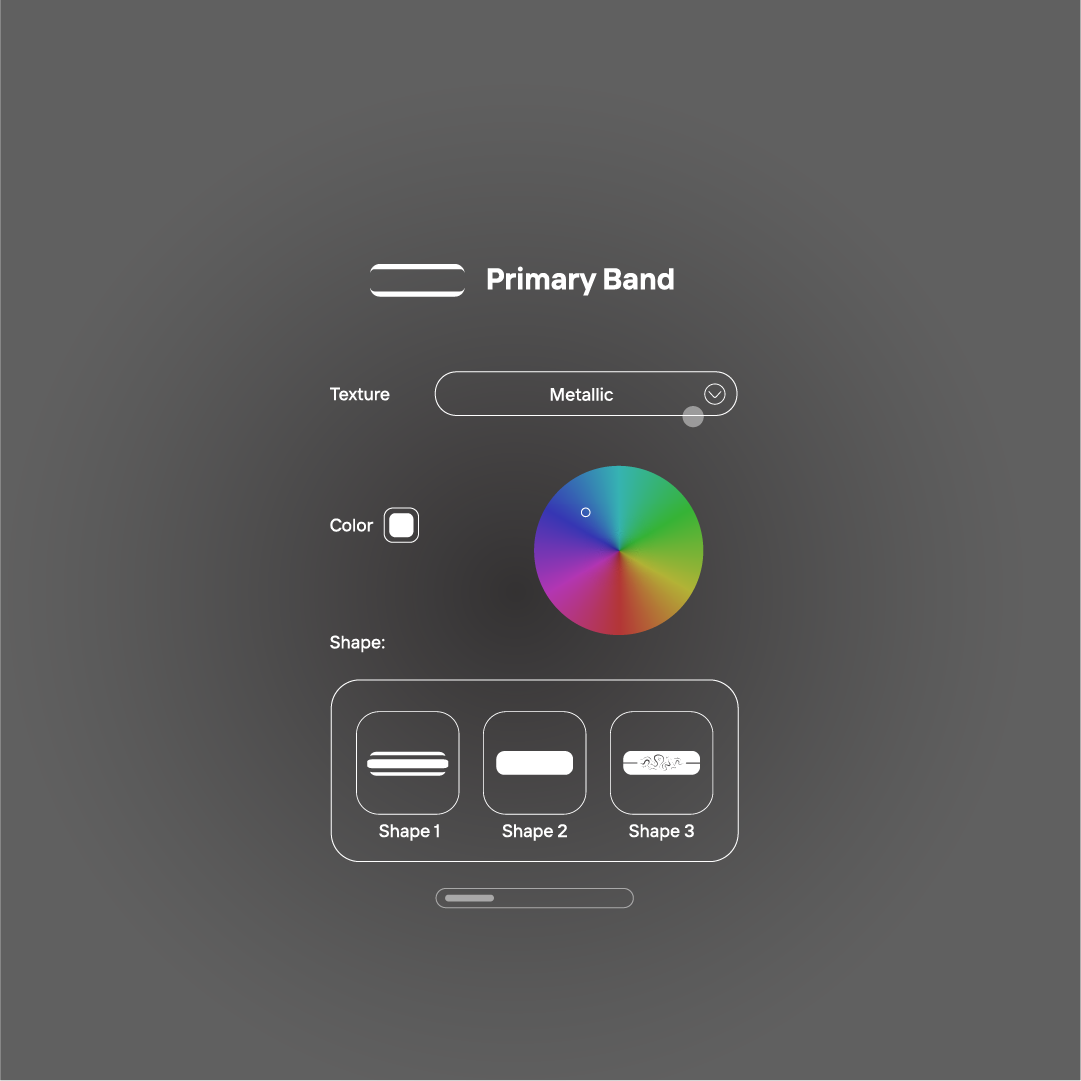
The Ring's customizable design lets users modify appearance, features, and performance. The nanites enabling real-time structural changes and updates, ensuring a sustainable, adaptable, and personalized experience.

Initial designs
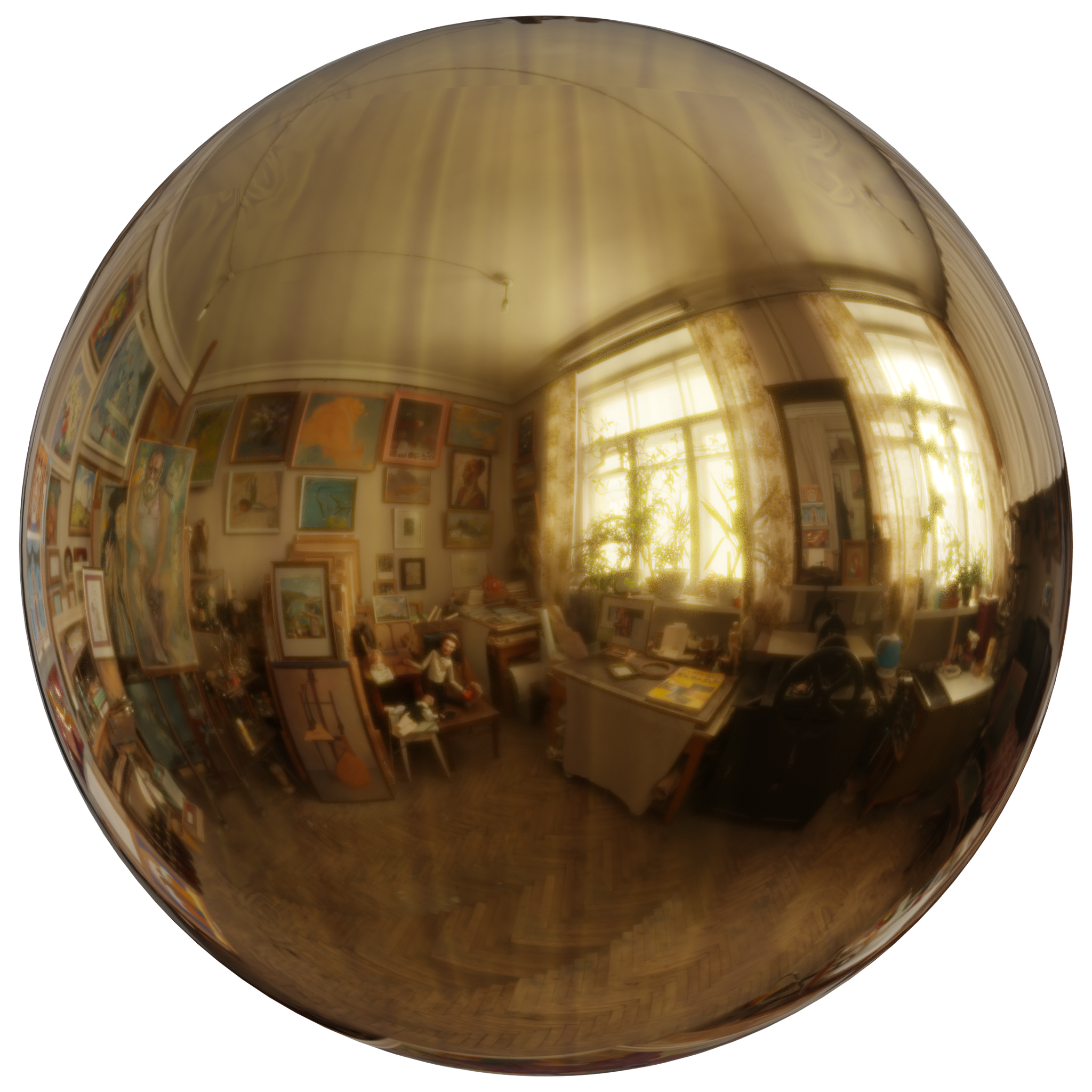
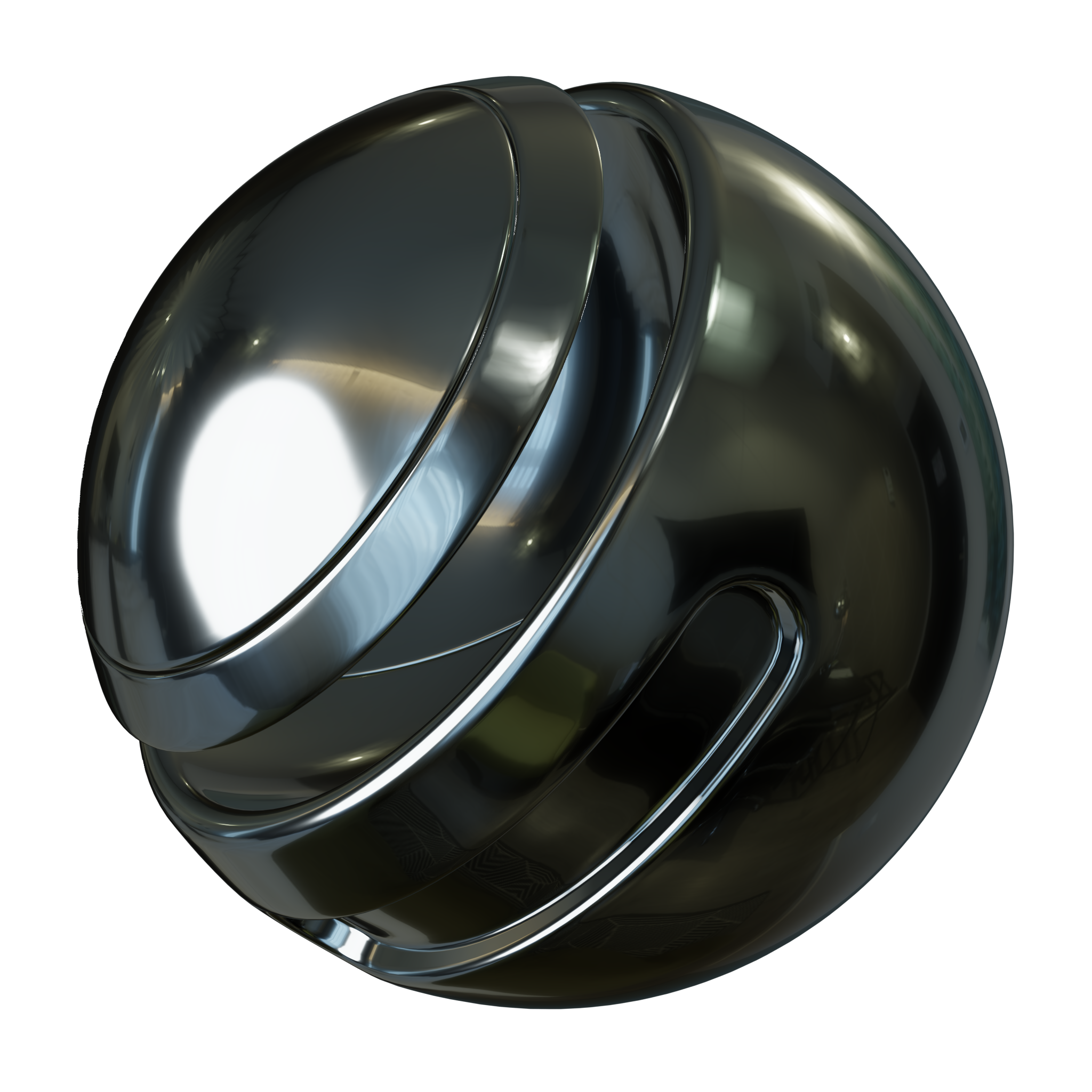
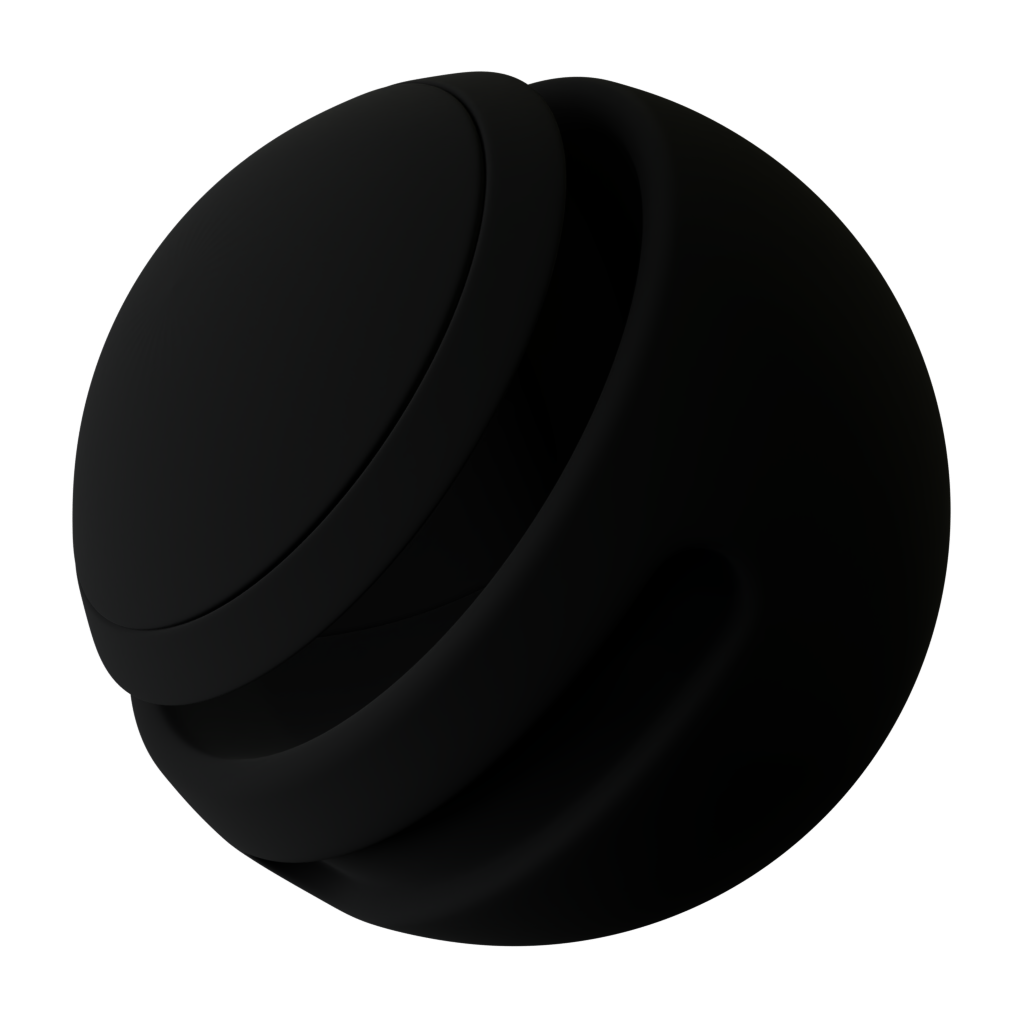
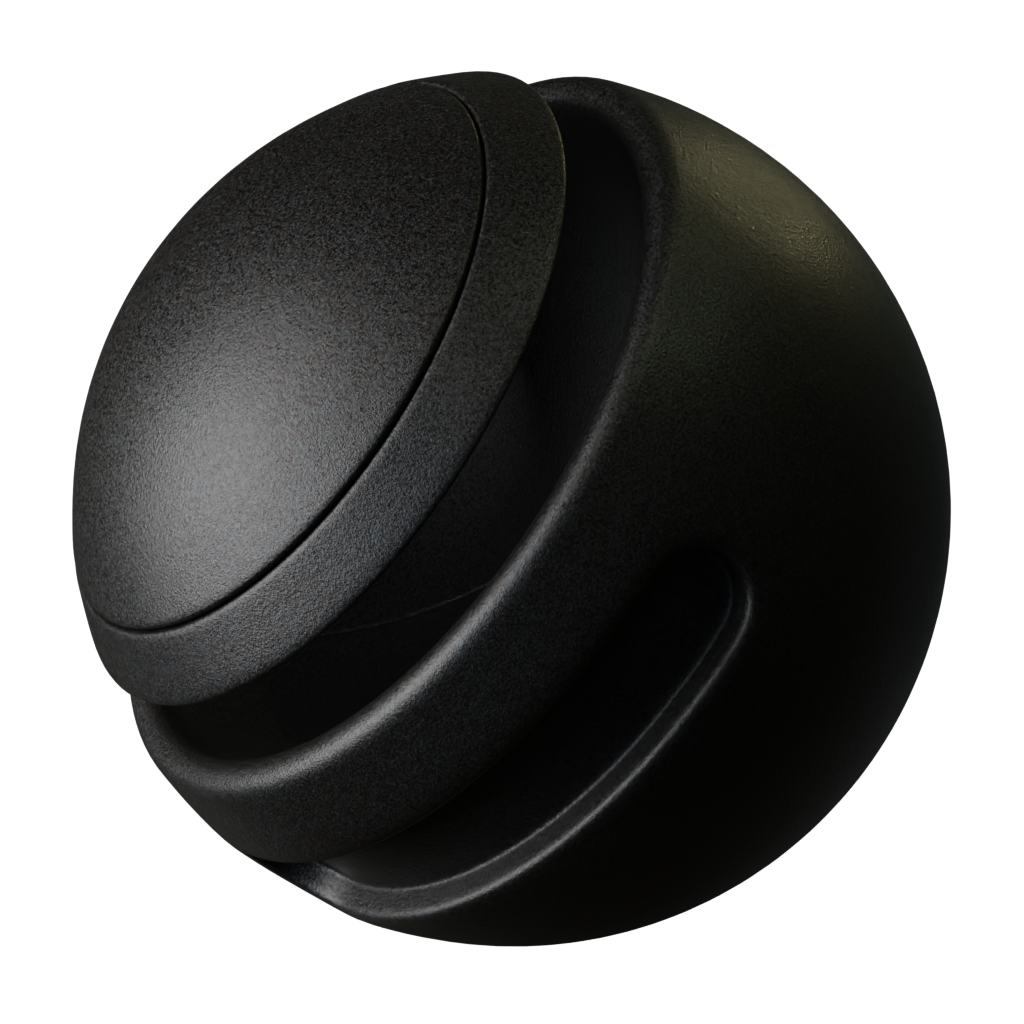
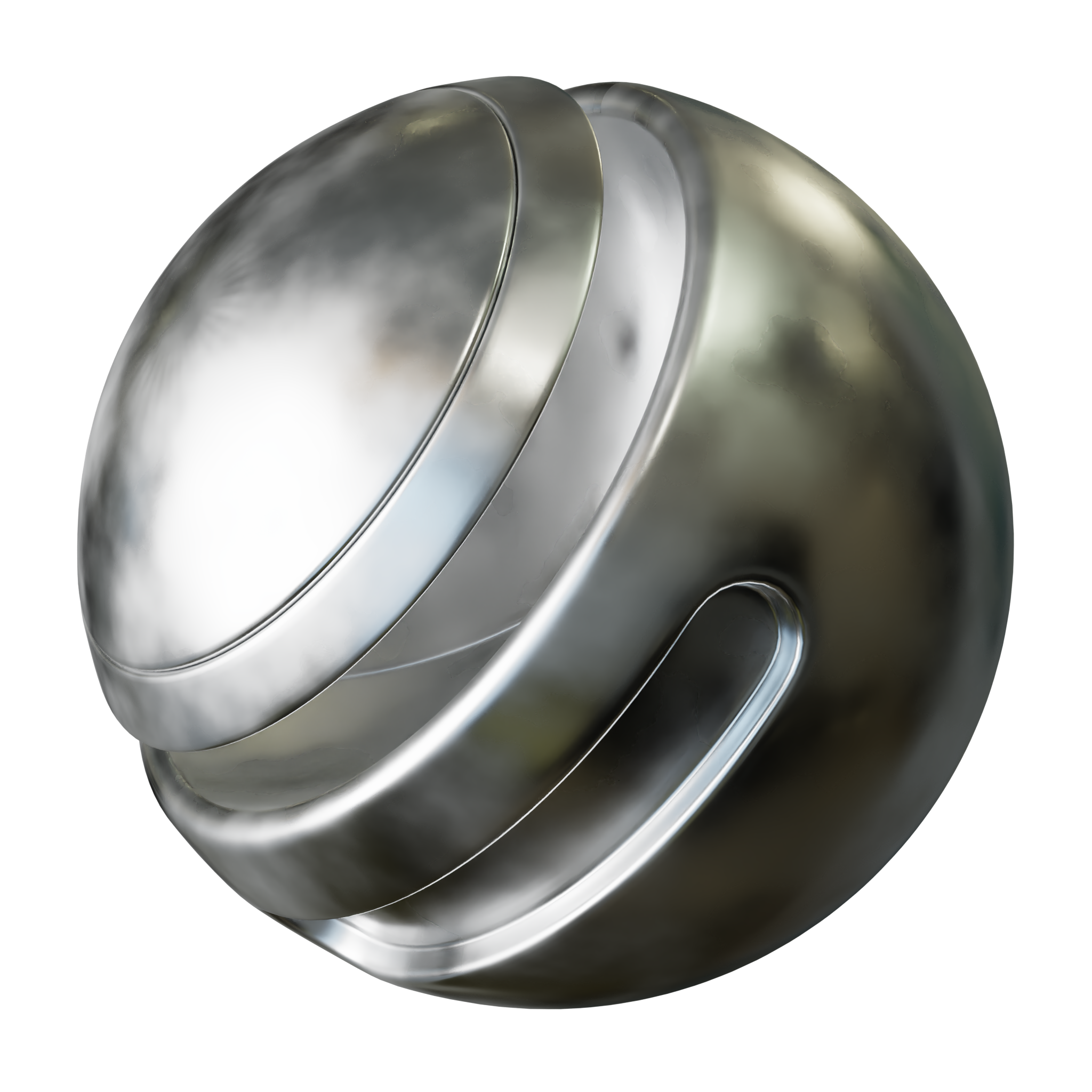
Materials
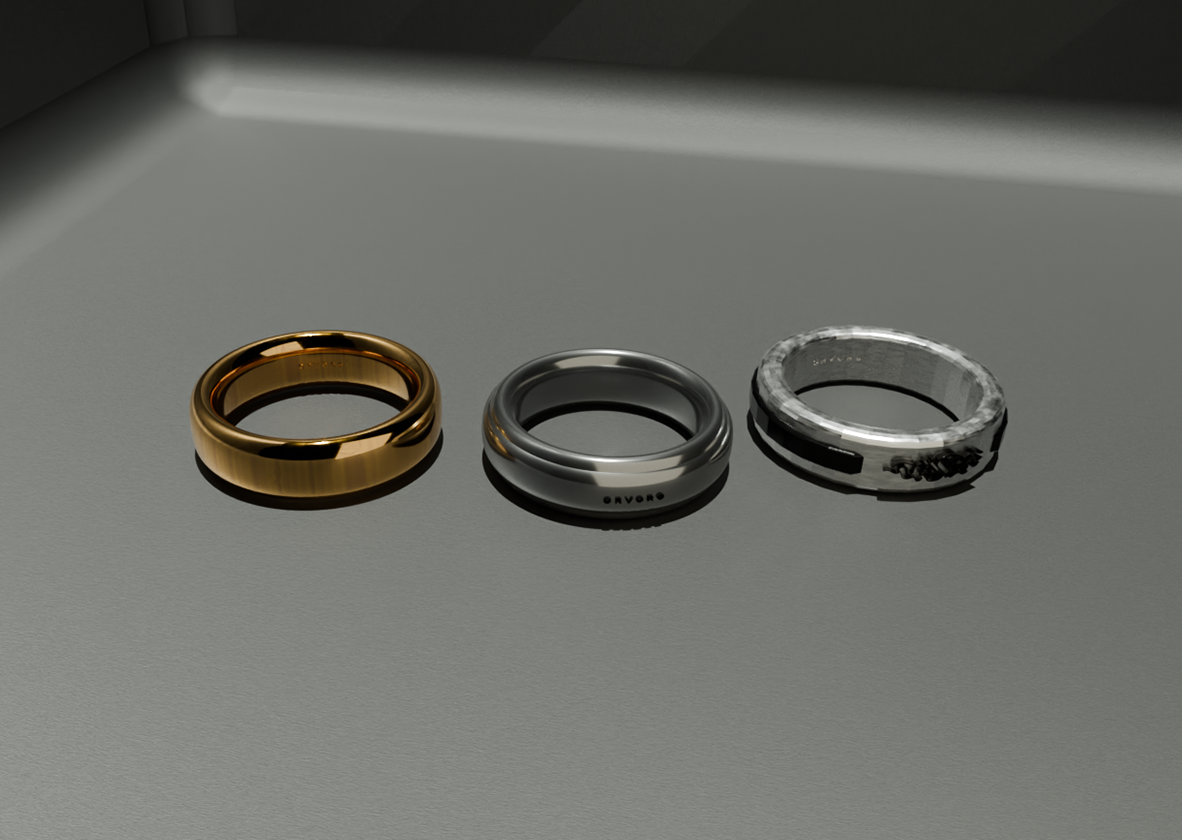
The range of materials used, were chosen to convey the extreme level of customizability that the user has over the appearance of their smart ring.
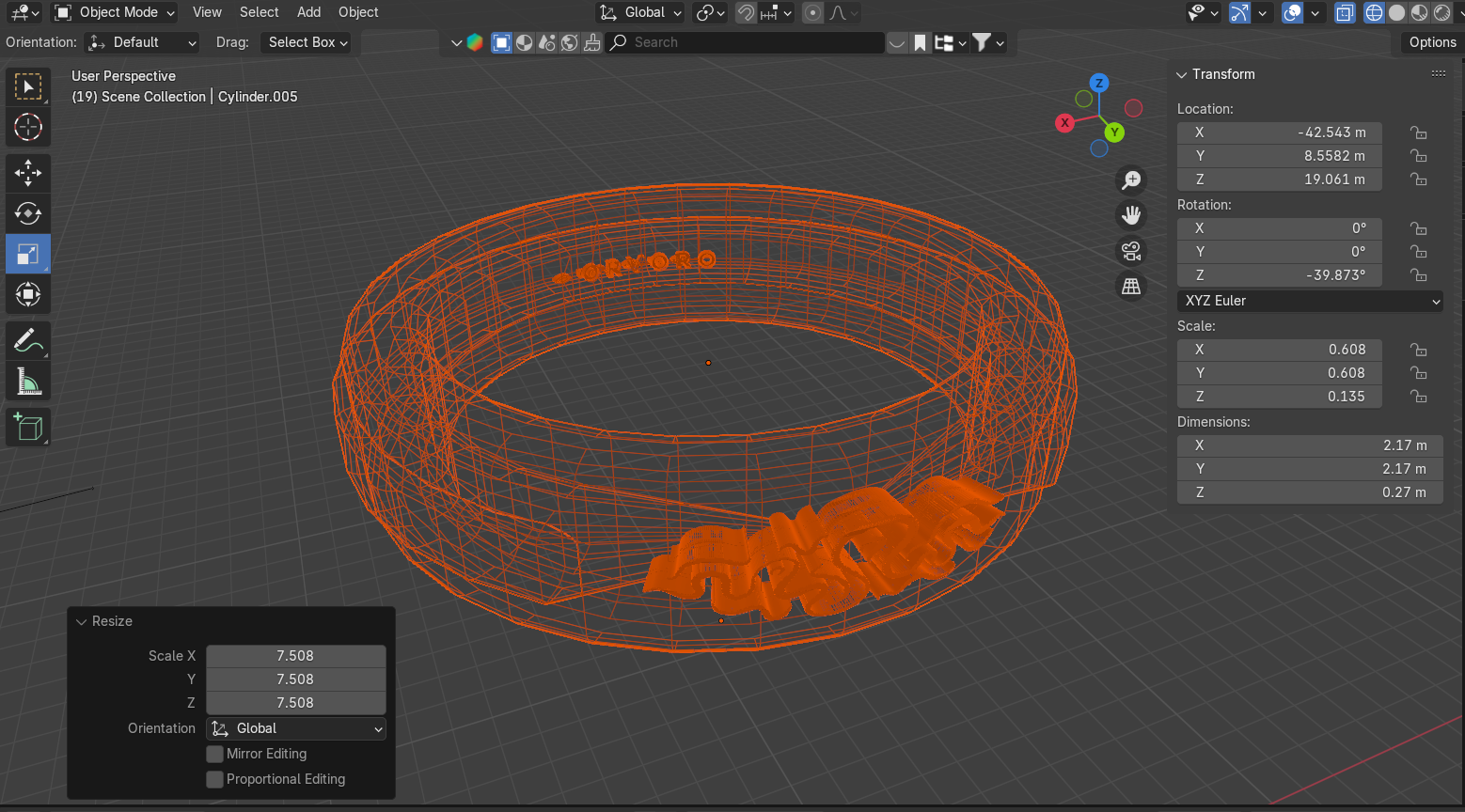
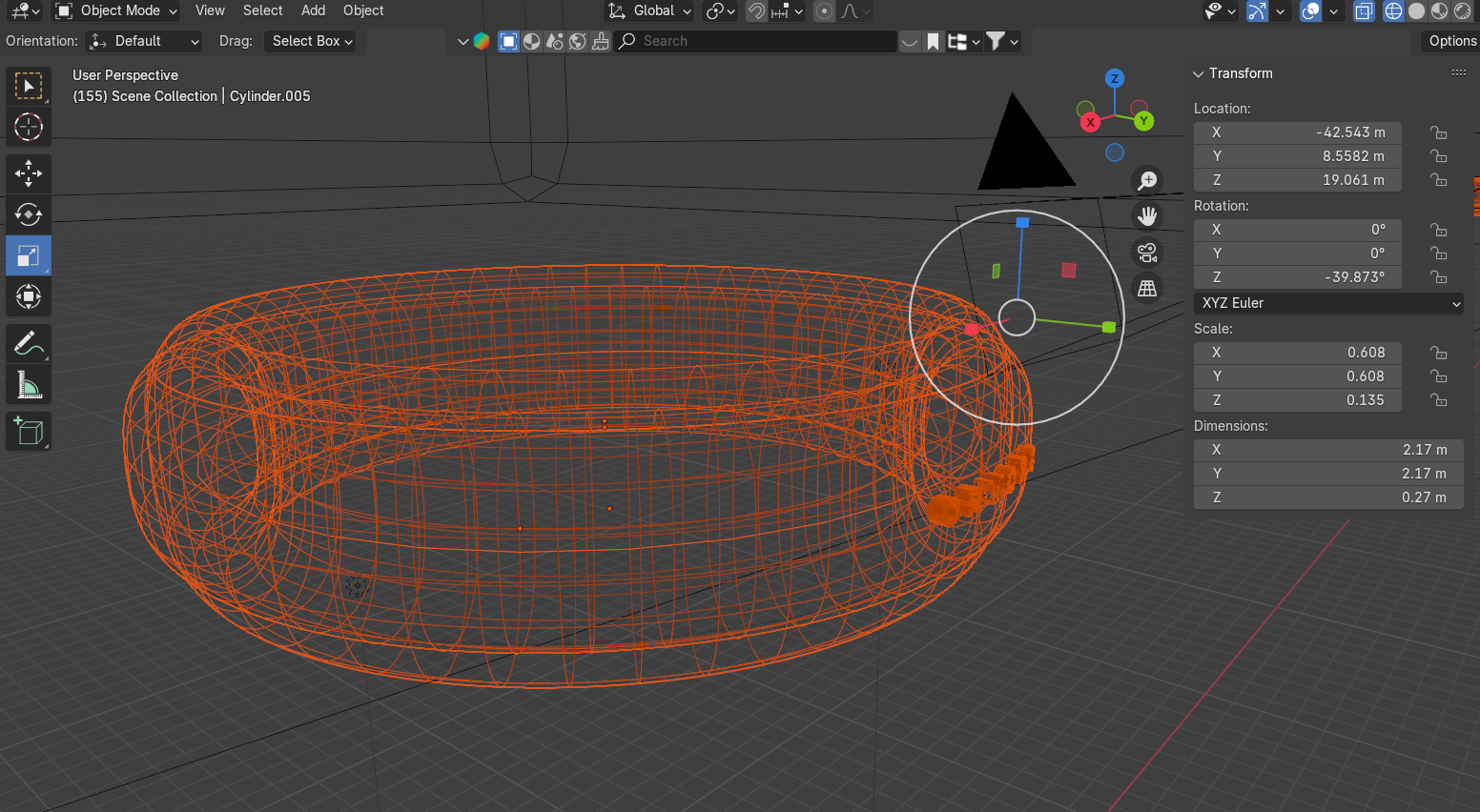
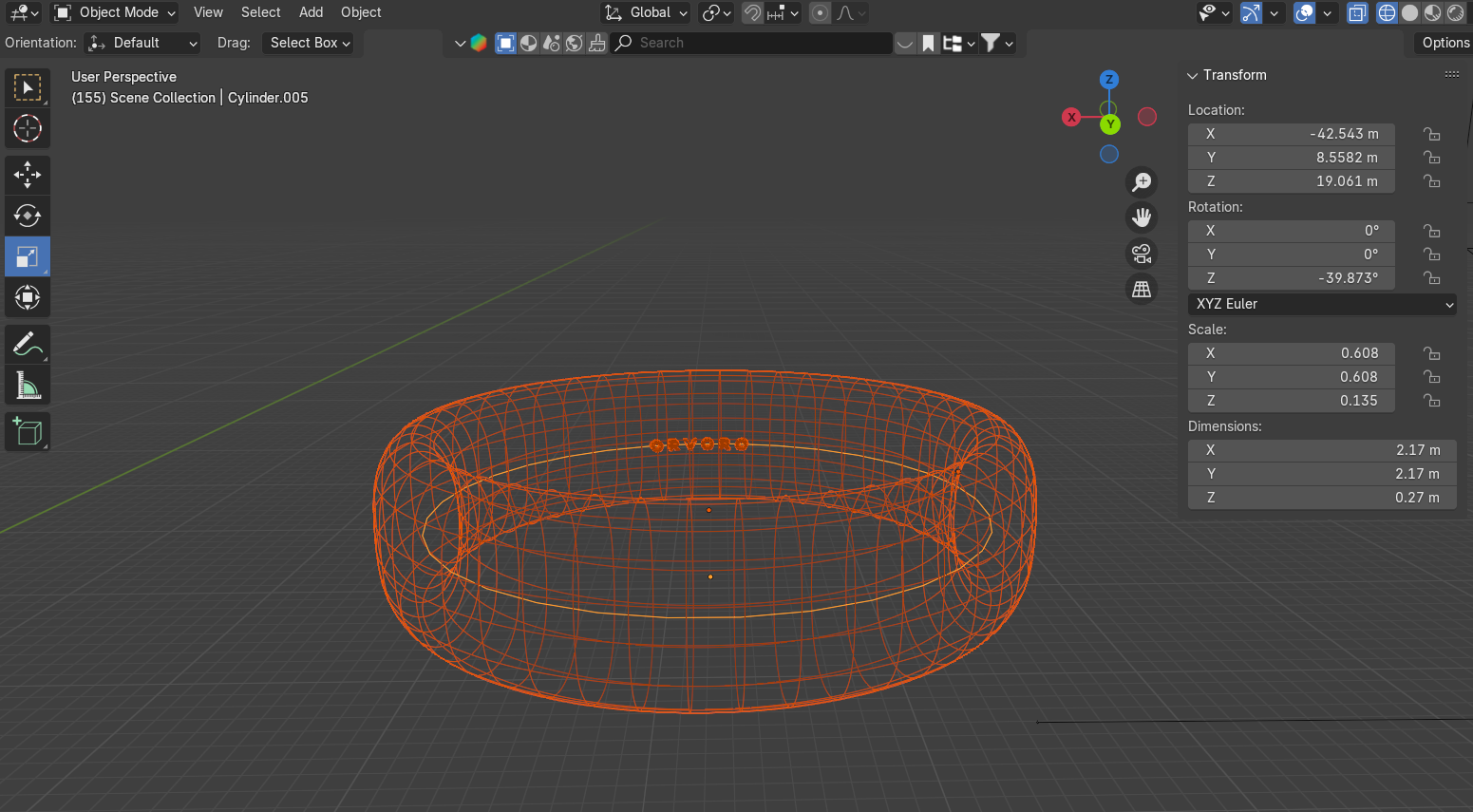
3D Modeling
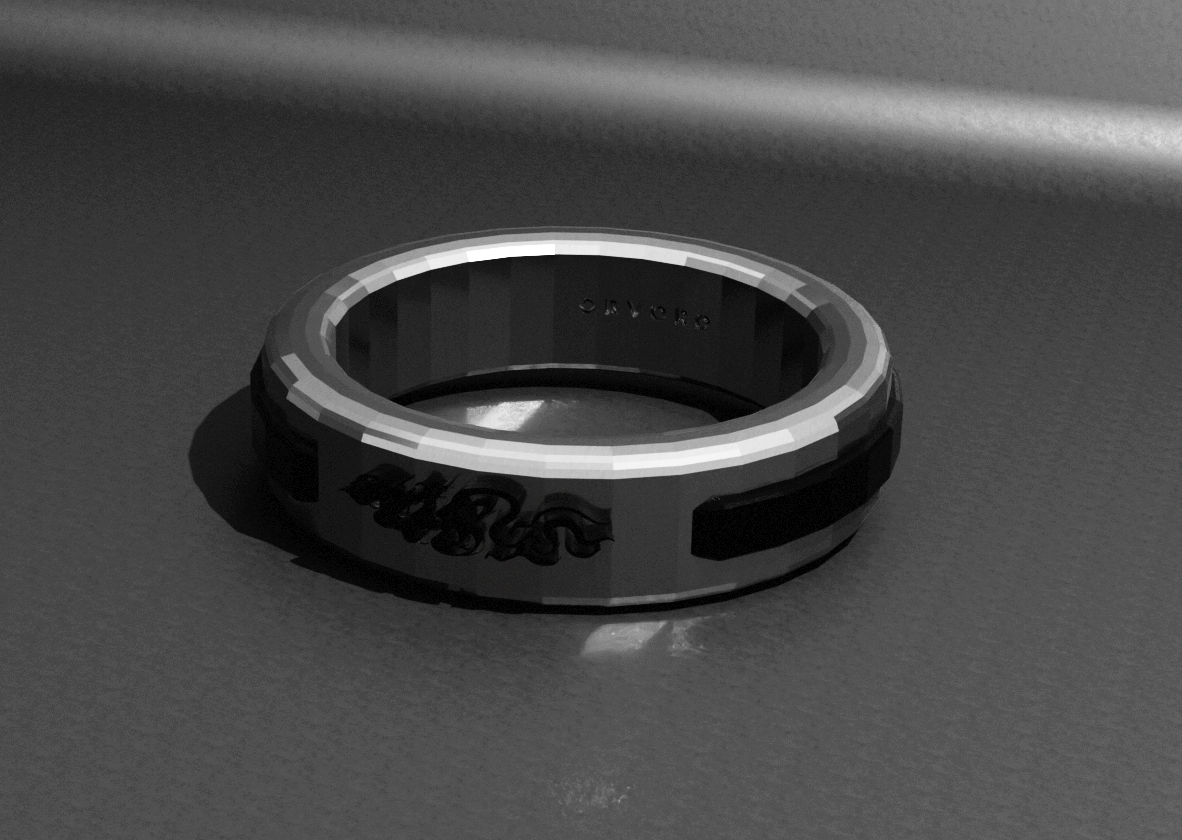
The images alongside display wireframes of three versions of the orvoro - smart ring. The three different designs illustrate how customizable the product is designed to be. The multitude of variations will all incorporate ergoniomic design through the advanced technologies being made use of.
Lighting
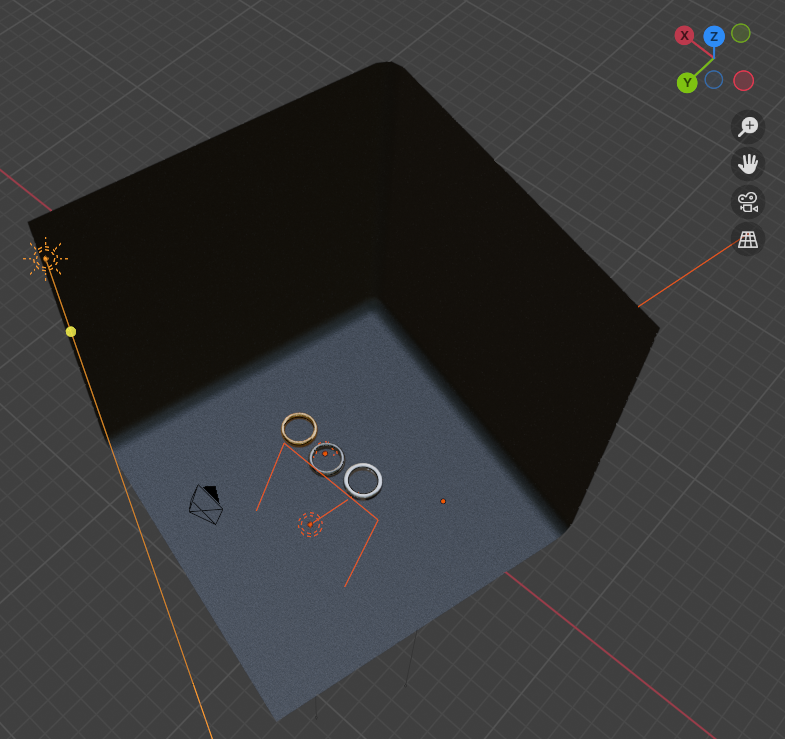
A three point lighting system has been made use of to emulate perfect lighting conditions. A large focus has been placed on the lighting, the renders need to appear convincing to the eyes of possible investors.


user interface
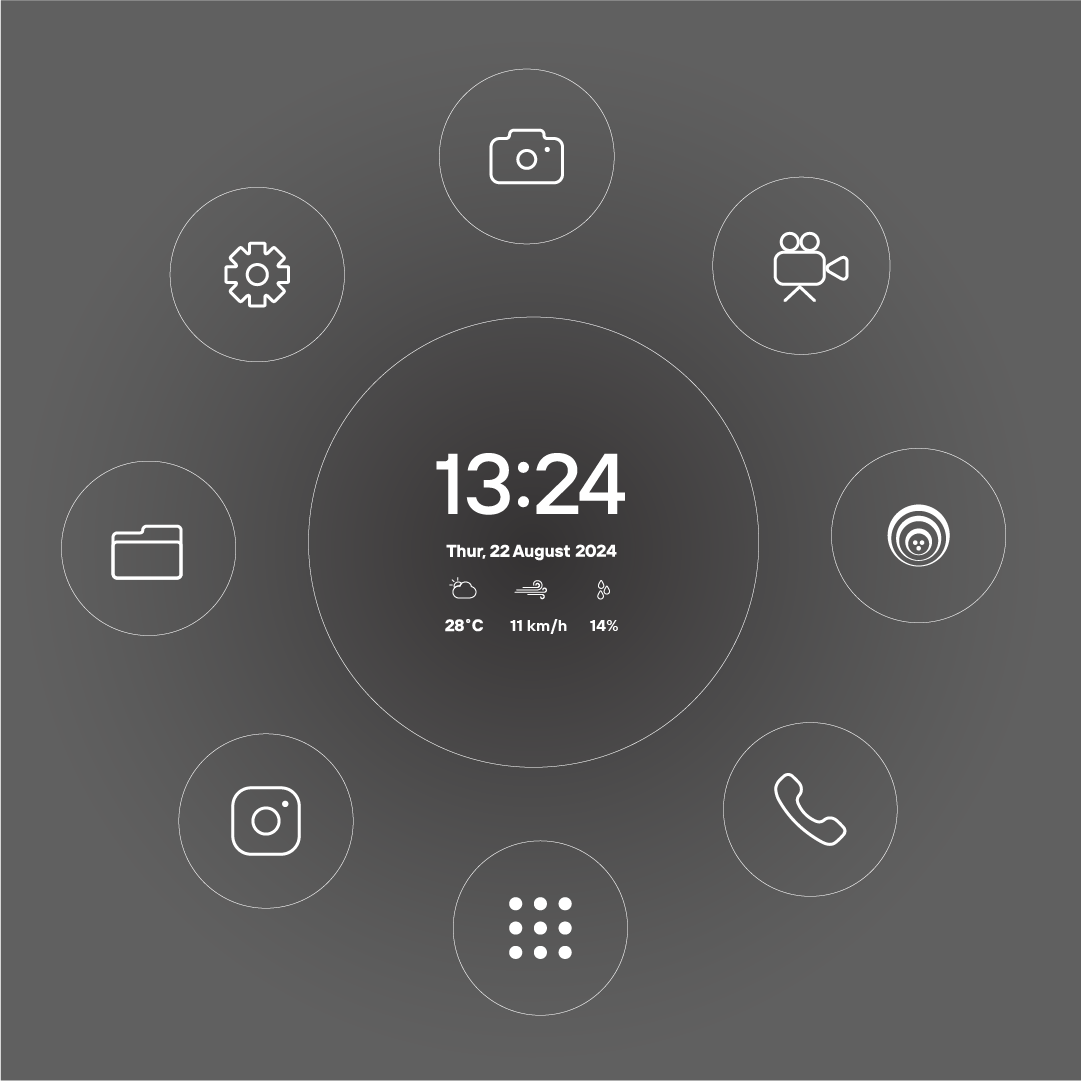
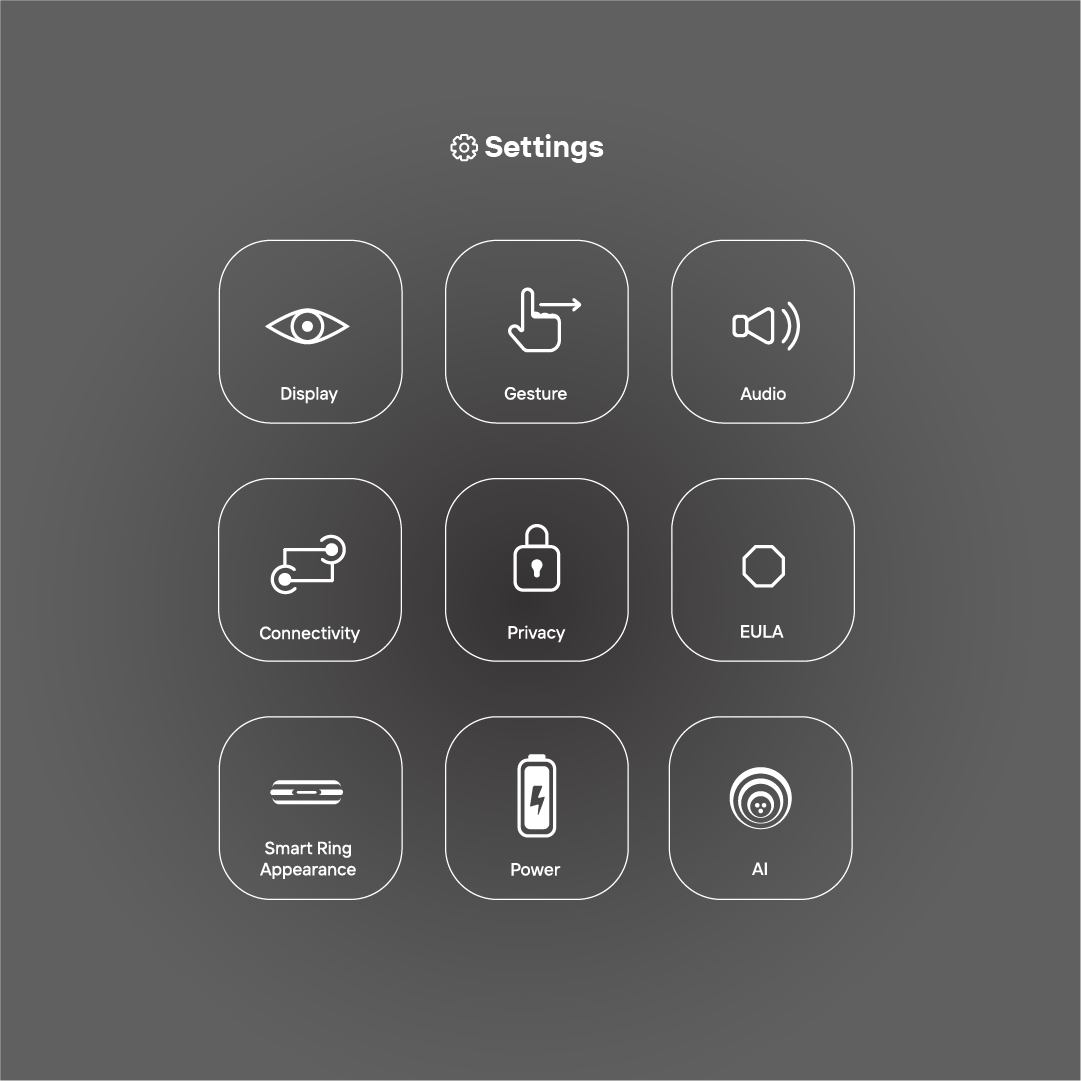
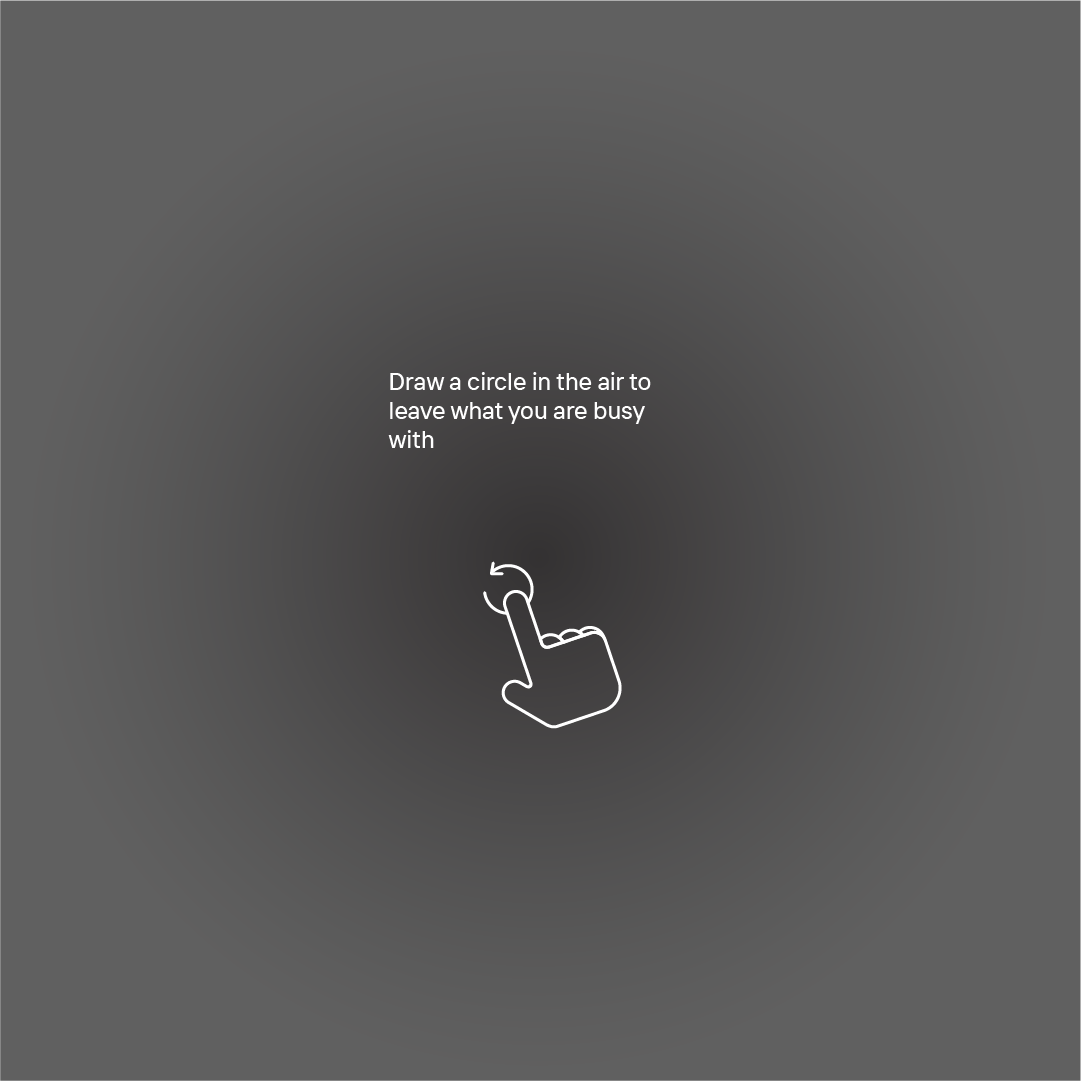
The user interface of Orvoro is designed to feel familiar, echoing traditional smartphone UIs but without the limitations of a physical screen.
Users experience a seamless transition, interacting with floating, responsive elements. Upon first using the device, they are guided through a few onboarding pages, ensuring a smooth setup and easy adaptation to the new, immersive interface.
final renders
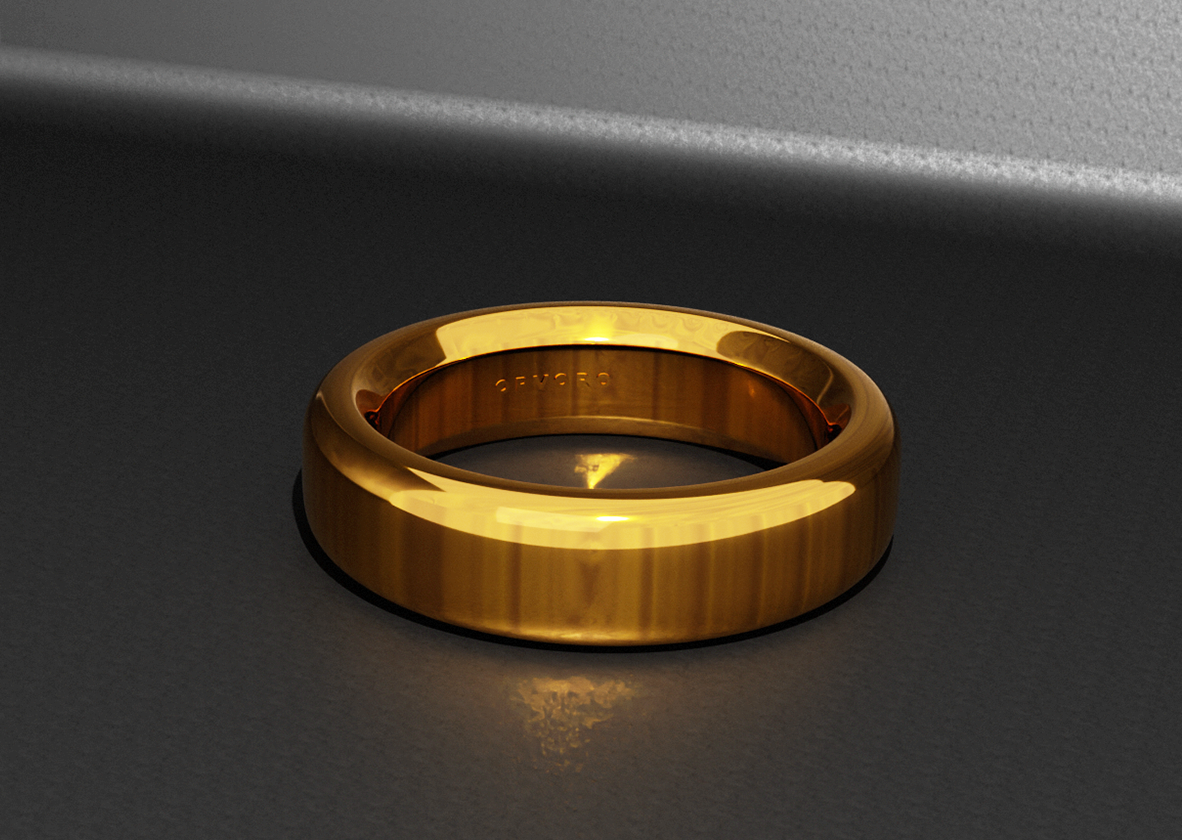
Alongside, the final renders show the versatility that the user has over the appearance of their smart ring.